Eric Tivers, LCSW, ADHD-CCSP
Founder of ADHD reWired
ADHD Coach – Group Coaching
About me
Hi, I’m Eric Tivers. I’m a licensed clinical social worker, ADHD coach, podcaster, speaker, consultant, and entrepreneur. I’ve spent my career helping ADHDers better understand their brains, build systems that actually work, and create lives with more clarity, compassion, and follow-through.
I’m also the host of the ADHD reWired Podcast, which I launched in April 2014. Through the podcast, I share my own experiences as an ADHDer and talk with guests, experts, clinicians, coaches, creatives, entrepreneurs, and everyday people navigating the very real challenges of ADHD. Together, we explore the stories, science, strategies, shame, humor, grief, growth, and messy middle of living with a neurodivergent brain.
My work is professional, but it’s also deeply personal. I was diagnosed with ADHD at 19, and for many years, ADHD explained a lot about my life. More recently, I was also diagnosed autistic, which helped me understand even more of my own story, especially around burnout, sensory needs, social energy, and why “just trying harder” was never the answer.
Before I found this work, I had 21 jobs before I turned 21. Retail? Not my natural habitat. Call centers? Absolutely not. A bunch of other jobs where I didn’t last very long? Yep. At the time, those experiences felt like failures. Looking back, I can see that each one taught me something about what didn’t fit, and eventually helped point me toward the work I do now.
Today, I genuinely love what I do. I get to help people untangle shame, understand their patterns, build structure, and reconnect with possibility. For me, this work is more than a job. It’s personal, meaningful, and rooted in the belief that ADHDers don’t need more judgment. We need understanding, support, structure, and spaces where we can show up as we are and still grow.
My coaching philosophy
My first goal in coaching is to help you feel understood.
Before we jump into tools, systems, or strategies, I want to understand how your brain works. I want to be able to reflect your thought process back to you in a way that helps you feel seen, not judged. And just as importantly, I want you to know that I care.
I don’t believe ADHD coaching should be built around canned advice or one-size-fits-all recommendations. ADHD may be the shared thread, but every ADHDer brings a different nervous system, history, learning style, set of demands, strengths, and support needs.
My approach is relational, flexible, and collaborative. I draw from coaching, clinical training, group process, lived experience, storytelling, emotional regulation, and years of working with ADHDers. I listen for patterns, ask questions, and help people name what’s happening without turning it into a character flaw.
I also believe good coaching requires humility. I make mistakes. I revise. I learn from the people I work with. I’m willing to be vulnerable because real growth rarely happens in spaces where everyone feels like they have to perform competence.
Whether I’m working with someone one-on-one, in therapy or coaching, or in a group coaching setting, I come back to the same core belief: people don’t grow through shame, pressure, or being told to “just try harder.” We grow when we feel understood, supported, and safe enough to tell the truth about what’s hard. From there, we can get practical. We can build structure, experiment with strategies, strengthen self-trust, and create systems that actually fit the person using them.

My training and research interests
In 2004, I graduated with a Bachelor’s degree in Social Work from Bradley University. After two years of working as an ABA (Applied Behavioral Analysis) therapist, I went back to get my Master’s degree in School Social Work at the Jane Addams College of Social Work at the University of Illinois at Chicago.
My clinical research thesis focused on teaching self-awareness, self-advocacy skills and self-determination to children with disabilities. The focus of my research was to reduce the inevitable blind spots that every student encountered in their self-awareness – things they did not know about themselves but were obvious to those around them.
In a pilot study done in an 8th grade cross-categorical special education classroom, I worked with students to teach them about their disabilities and their strengths through role play of classroom scenarios. I also helped students understand the IEP (Individualized Education Program) process and how to build relationships with their teachers in order to teach them critical self-advocacy skills. At the end of the 8 week study, the students knew how to run their own IEP meetings.
This experience proves to me time and again what research has demonstrated – A student’s disability is not what determines long term life outcomes (life satisfaction, quality of life, level of earnings, educational completion). It’s their level of self-awareness, self-advocacy, and self-determination that makes the difference. As your coach, this is my goal of our work together.
My influences
I’ve been greatly influenced by Don Miguel Ruiz’s book, The Four Agreements. This is my favorite quote from the book:
“Always do your best—your best is going to change from moment to moment.”
Don Miguel Ruiz
Brené Brown’s research on vulnerability and shame has also had a big impact on my coaching work. Her call to “let go of exhaustion as a status symbol and productivity as self-worth” in her book, The Gifts of Imperfection, was an idea that blew me away.
Russell Barkley, PhD., is considered one of the leading authorities on ADHD, and for good reason. As a research scientist and advocate for accurate, evidence-based information on ADHD, he has spent 3 decades studying and writing about this disorder. My “real education” around ADHD started in 2010 when I had the opportunity to hear Dr. Barkley’s keynote address, where he explained his conceptual model for ADHD as an Executive Functioning Disorder. I have been a student of his work ever since. I have been fortunate enough to have been able to interview Dr. Barkley four times on my podcast:
• Ep. 63: Dr. Russell Barkley on the Meaning of ADHD
• Ep. 152: Dr. Russell Barkley Research on Updates and What Loved Ones Need to Know About You
• Ep. 271: Dr. Russell Barkley on Life Expectancy and ADHD Part 1
• Ep. 272: Dr. Russell Barkley on The Case Against Neuropsychological Testing & New Research
Dreaming big
I dream of a world where ADHDers and autistic adults don’t have to spend decades believing they’re lazy, broken, too much, not enough, or somehow failing at being human.
I want adults to understand how their brains work, recognize their patterns, and develop deeper self-awareness without drowning in shame.
I want them to know and accept who they are, not as an excuse to stop growing, but as the foundation for meaningful change.
And I believe that change can’t only happen inside the individual. The social model of disability reminds us that many of the barriers neurodivergent people face are not caused by our brains alone, but by environments, expectations, systems, and norms that were not designed with us in mind.
So yes, I want ADHDers and autistic adults to build tools, supports, and self-understanding. But I also want us to advocate for a more accessible world, one where neurodivergent brains are considered, respected, and supported.
Because the goal isn’t to force ourselves into someone else’s version of “normal.”
The goal is to build lives, communities, workplaces, and systems where more of us can belong, contribute, and thrive.
My personal experience with disability
I know what it’s like to live with a brain that doesn’t always work the way the world expects it to.
I was diagnosed with ADHD at 19, and more recently, I was also diagnosed autistic. Both diagnoses helped me make sense of patterns I had spent years trying to explain, minimize, or outwork. They gave me language for my inconsistencies, my intensity, my sensory needs, my burnout, my strengths, and the ways I had been trying to survive in systems that often weren’t built for brains like mine.
One of the hardest parts of ADHD, for me, has been the inconsistency. I can be deeply focused, creative, insightful, and driven in one context, then completely stuck in another. That gap can be confusing, frustrating, and easy to misinterpret as a character flaw. It’s not.
At the same time, I don’t see my neurodivergence only through the lens of struggle. ADHD and autism have shaped how I think, connect, create, teach, coach, and understand other people. I wouldn’t erase those parts of myself. But I also don’t romanticize them. Disability is real. Barriers are real. Support matters.
My understanding of disability was also shaped by my father’s experience. When I was a child, he sustained a significant brain injury that created major challenges in his day-to-day life. Watching him navigate those changes had a profound impact on me. It taught me that awareness, acceptance, self-advocacy, and the right supports can change a person’s life.
That experience also helped me understand something I still believe deeply: disability is not just an individual issue.
We all have a responsibility to build environments, relationships, workplaces, and communities where people can be honest about their needs and supported in living fuller, more self-directed lives.
Fun facts about me
I’m a dad to an AuDHDer.
I identify as queer/bisexual.
I love audiobooks, podcasts and NPR.
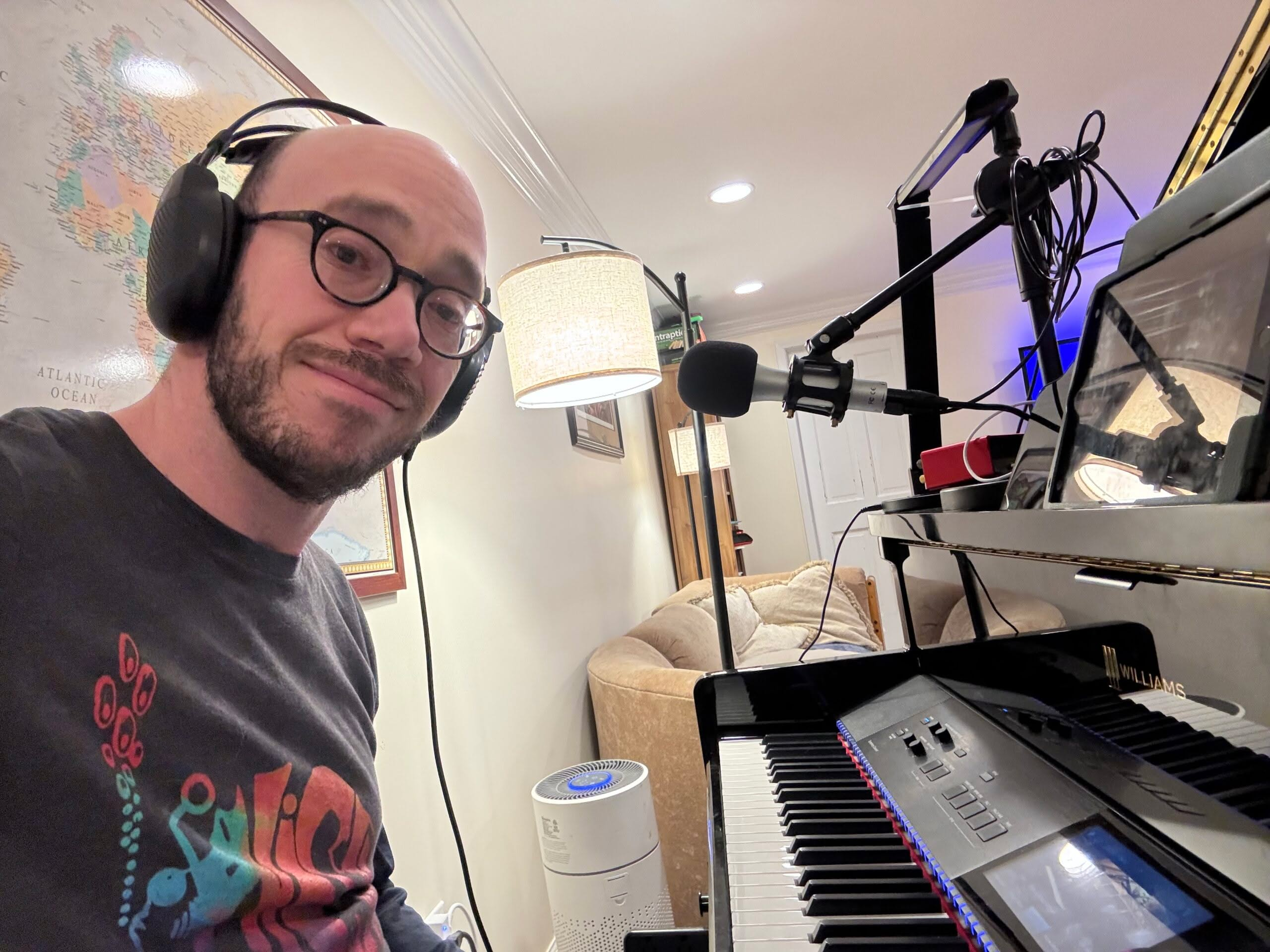
I’m a self-taught musician; I play the piano and guitar. I enjoy playing with other musicians and watching the therapeutic power of music.
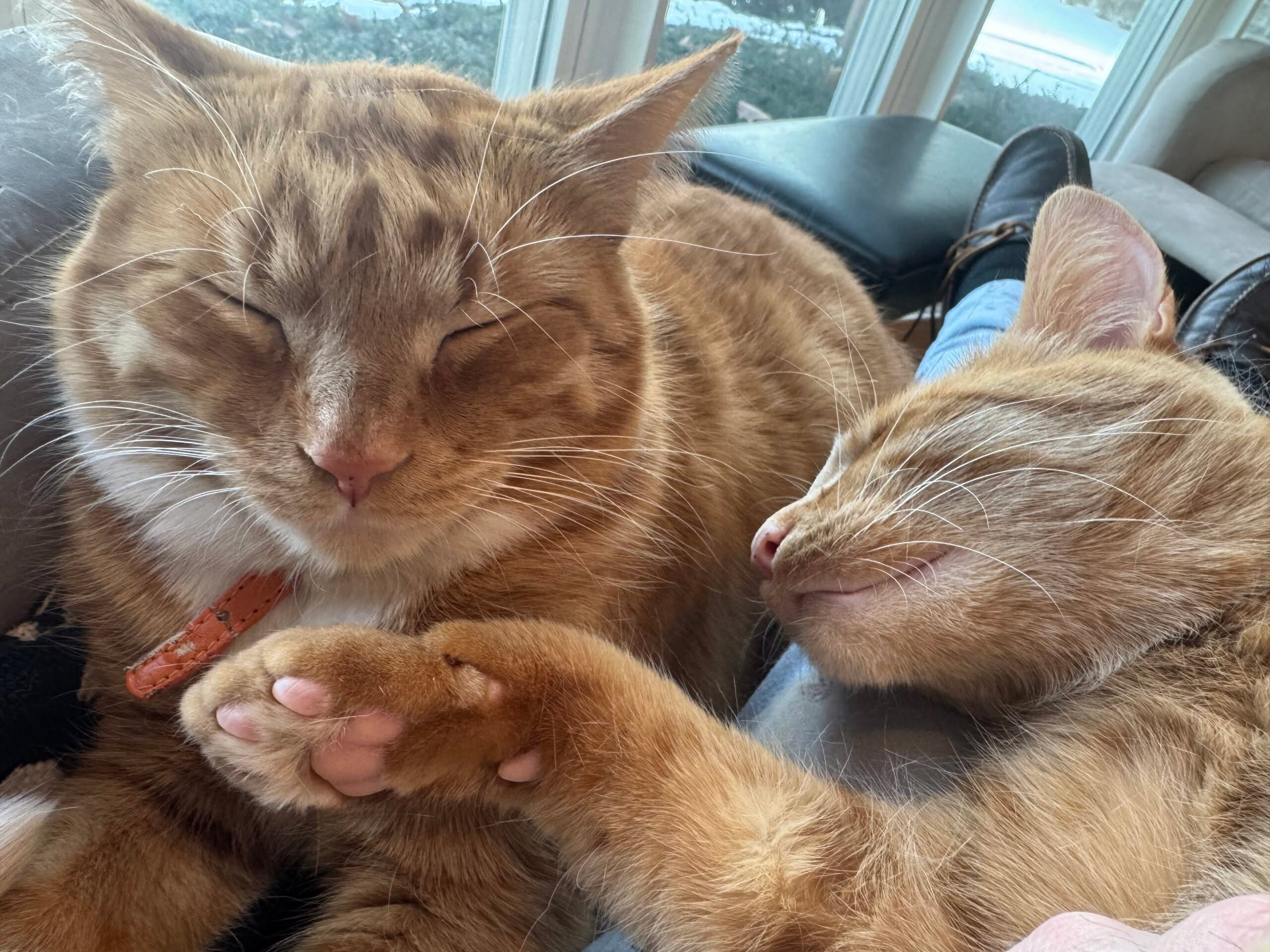
I adopted two orange cats in 2024, Kiki and Trey.
I love the band Phish and have seen them 53 times since 1997.
I enjoy playing frisbee golf, ping-pong and LOVE the game of Pickleball.
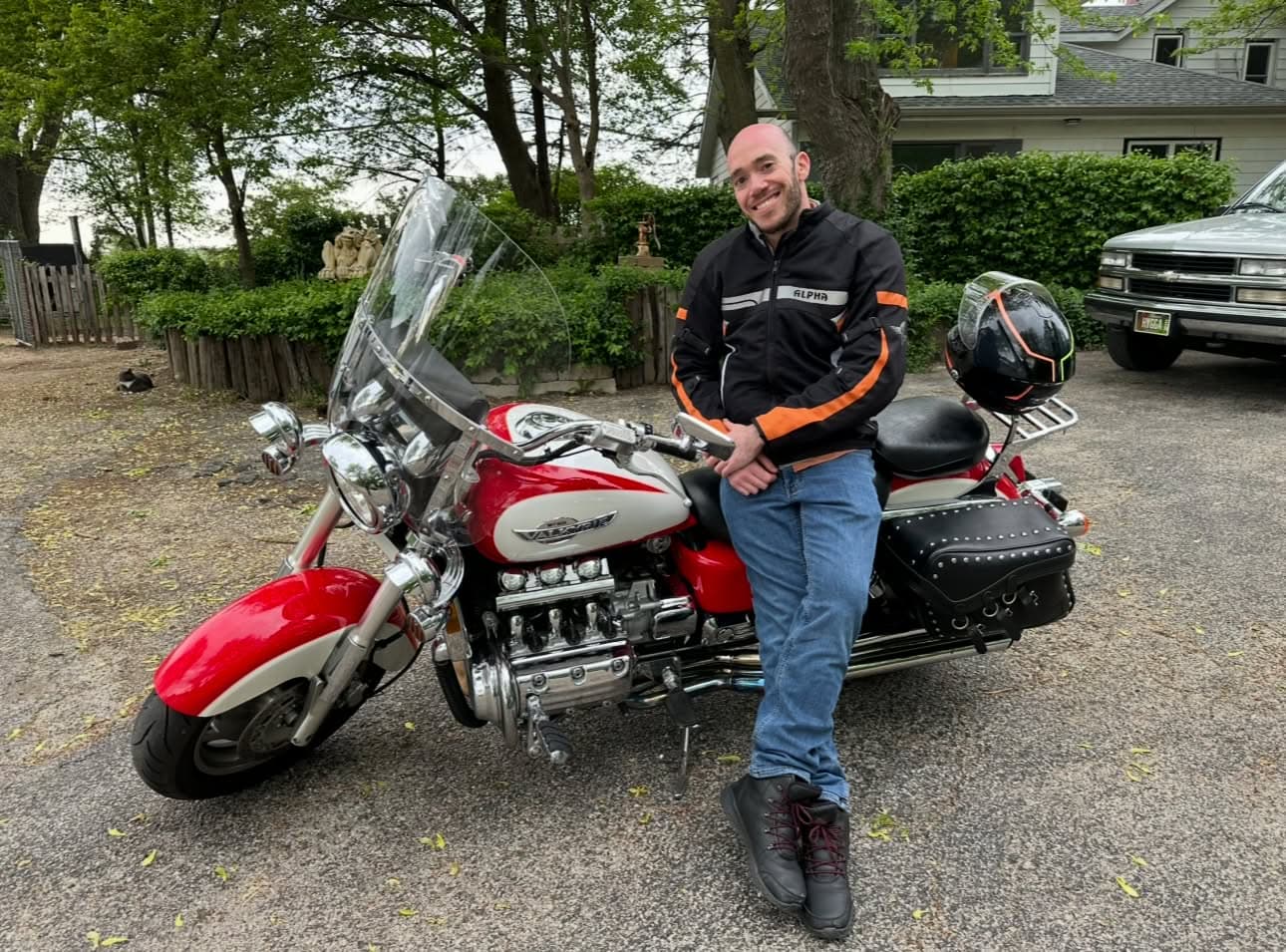
When the weather is nice, you might find me cruising around my motorcycle!


“Don’t ask what the world needs. Ask what makes you come alive, and go do it. Because what the world needs is people who have come alive.”
Howard Thurman